
Call us now :08071725501
 Send Inquiry
 Send Inquiry
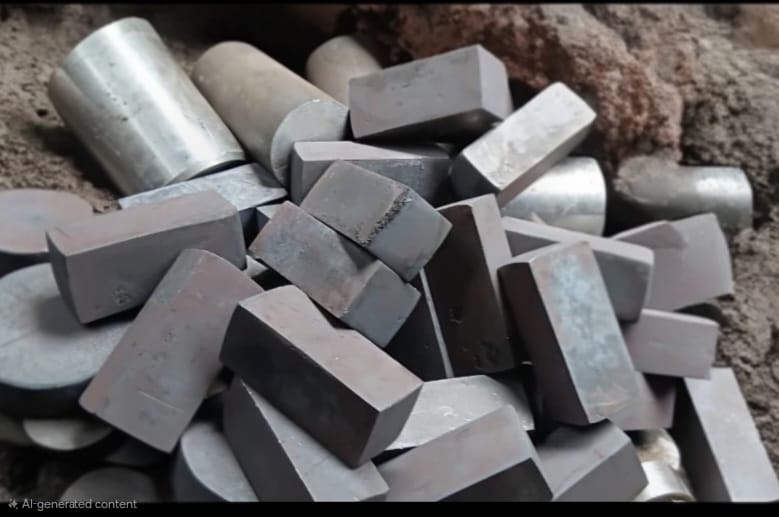
Forged Material
Price 100.0 INR/ Kilograms
MOQ : 10 Kilograms
Forged Material Specification
- Grade
- EN8 / EN19 / EN24 / C45 / Stainless Steel 304/316
- Standard
- ASTM / DIN / ISO / IS
- Thickness
- 10 mm to 50 mm (customizable)
- Head Type
- Ring/Washer Type
- Diameter
- 50 mm to 600 mm (customizable)
- Corrosion Resistant
- Yes, for Stainless Steel grades or with surface treatment
- Load Capacity
- Depends on size and application, available on request
- Surface Treatment
- As Forged / Rough Machined
- Hardness
- 28 - 36 HRC (depending on material and heat treatment)
- Finish
- Rough/Black
- Shape
- Round / Ring
- Feature
- High Strength, Uniform Grain Flow, Precision Dimensions
- Tensile Strength
- 600 - 900 MPa (Depending on material grade)
- Capacity
- 1000 pieces/month
- Material
- Forged Carbon Steel / Alloy Steel / Stainless Steel
- Tolerance
- 0.02 mm
- Application
- Automobile, Petroleum, Mechanical Engineering, Hydraulic Systems, Industrial Machinery
- Usage
- Flange Rings, Bushings, Bearing Housings, Spacer Washers
- Inspection
- Ultrasonic Testing / Visual Dimensional Inspection
- Dimensional Accuracy
- Machined to precise tolerances after forging
- Heat Treatment
- Annealed / Normalized / Quenched and Tempered (as per requirement)
- Packaging
- Loose/Bundled/Wooden Cases as per customer requirement
- MOQ
- As per customer requirement
- Customization
- Available for shape, size, and material
- Machining Service
- Available upon request
- Forging Method
- Open Die / Closed Die / Ring Rolling
Forged Material About
Description of Forged Material
Forged material refers to any document, object, signature, certificate, currency, or item that has been falsely created, altered, or imitated with the intention of making it appear genuine. The purpose of forgery is typically to deceive others for personal, financial, or legal gain.
Examples of forged material include:
-
Fake signatures on legal or financial documents.
-
Altered passports, driver's licenses, or identity cards.
-
Counterfeit currency or banknotes.
-
Fake educational certificates or professional licenses.
-
Altered contracts, invoices, or receipts.
-
Counterfeit artwork or branded products.
Key characteristics of forged material:
-
It imitates an authentic original.
-
It contains false or altered information.
-
It is intended to mislead or deceive.
-
Its creation or use is generally illegal and may result in criminal penalties.
In legal and forensic contexts, forged material is examined using techniques such as handwriting analysis, ink and paper examination, digital forensic analysis, and other scientific methods to determine its authenticity.
Precision Forging for Diverse Industrial Applications
Our forging facility specializes in open die, closed die, and ring rolling processes, providing high-quality forged components to meet rigorous industrial requirements. Dimensional accuracy is ensured with post-forging machining and multiple inspection methods, making these products suitable for critical engine, hydraulic, and mechanical applications.
Customizable Dimensions and Materials
Manufactured to order, we offer flexible sizing from 50 mm up to 600 mm in diameter and thickness from 10 mm to 50 mm. Material selection includes forged carbon steel, alloy steel, and stainless steel, with surface finishes and packaging options designed for specific customer needs. Custom shapes, grades, and machining services are also available.
Heat Treatment and Superior Mechanical Properties
Our forged components undergo precise heat treatment processes, such as annealing, normalizing, or quenching and tempering, tailored to your application's requirements. This ensures each product delivers high strength (600-900 MPa tensile), uniform grain flow, and targeted hardness values and corrosion resistance where necessary.
FAQ's of Forged Material:
Q: How is dimensional accuracy ensured for each forged component?
A: Each component is machined to precise tolerances of up to 0.02 mm after forging. In addition, we conduct thorough ultrasonic and visual dimensional inspections to guarantee accuracy and quality before delivery.Q: What forging methods are available, and how do I select the right one for my application?
A: We offer open die, closed die, and ring rolling forging methods. The choice depends on your required shape, size, and mechanical properties. Our experts can help determine the most suitable process based on your specific usage and application.Q: What heat treatment processes are provided to enhance product performance?
A: We perform annealing, normalizing, or quenching and tempering, as required by your application, to improve mechanical strength, grain structure, toughness, and hardness per your specifications.Q: Which industries or applications are these forged products typically used in?
A: Our forged rings, bushings, and related parts are widely used in the automobile, petroleum, mechanical engineering, hydraulic systems, and industrial machinery sectors due to their strength, precision, and reliability.Q: Can I request customized shapes, sizes, and materials for my order?
A: Yes. We offer full customization for shape, size (diameter 50-600 mm, thickness 10-50 mm), and material selection (EN8, EN19, EN24, C45, or stainless steel 304/316), meeting standards like ASTM, DIN, ISO, and IS.Q: What are the main benefits of using forged components from your facility?
A: Our products feature high strength, uniform grain flow, precision dimensions, corrosion resistance, and reliable load and tensile capacities. These benefits contribute to longer service life and performance in demanding environments.Q: How are the forged components packaged and delivered?
A: Packaging options include loose, bundled, or wooden cases as per your requirement. We ensure safe transit and storage by using packaging that matches the size, quantity, and your handling preferences.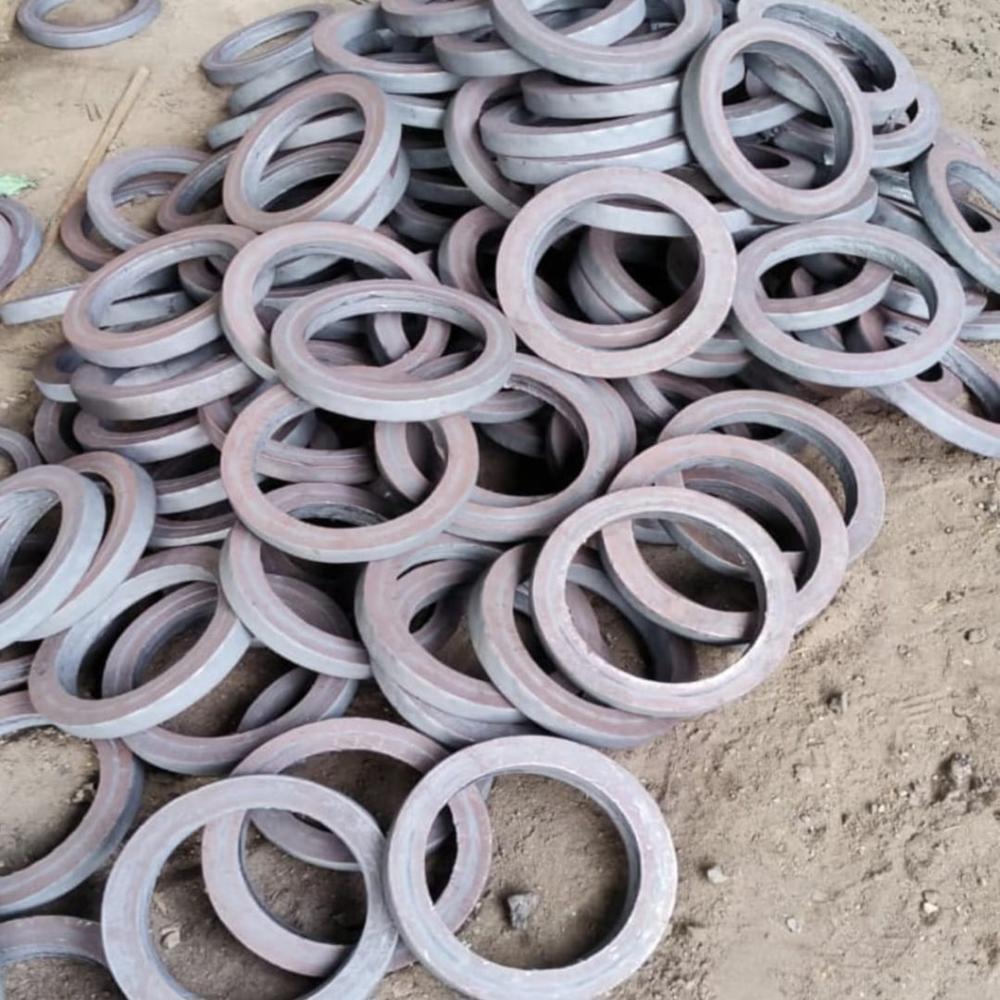
Tell us about your requirement

Price:
Quantity
Select Unit
- 50
- 100
- 200
- 250
- 500
- 1000+
Additional detail
Mobile number
Email

More Products in Industrial Fasteners Category
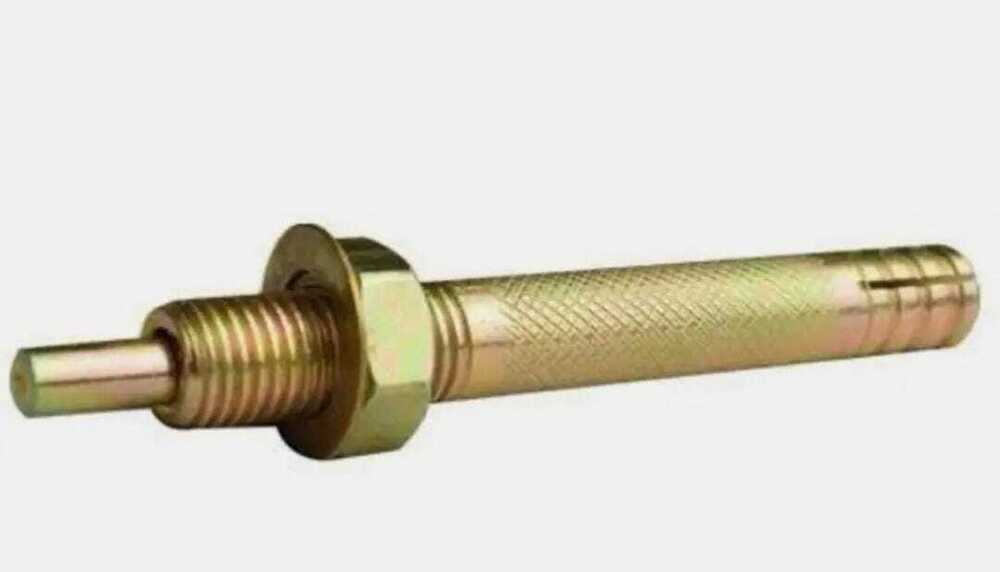
Mild Steel Anchor Fastener
Price 25.0 INR / Piece
Minimum Order Quantity : 100 Pieces
Grade : MS304/316
Application : Construction, Industrial Fastening, Structural Fixing
Standard : ISI, DIN, ASTM
Thickness : Custom as per requirement
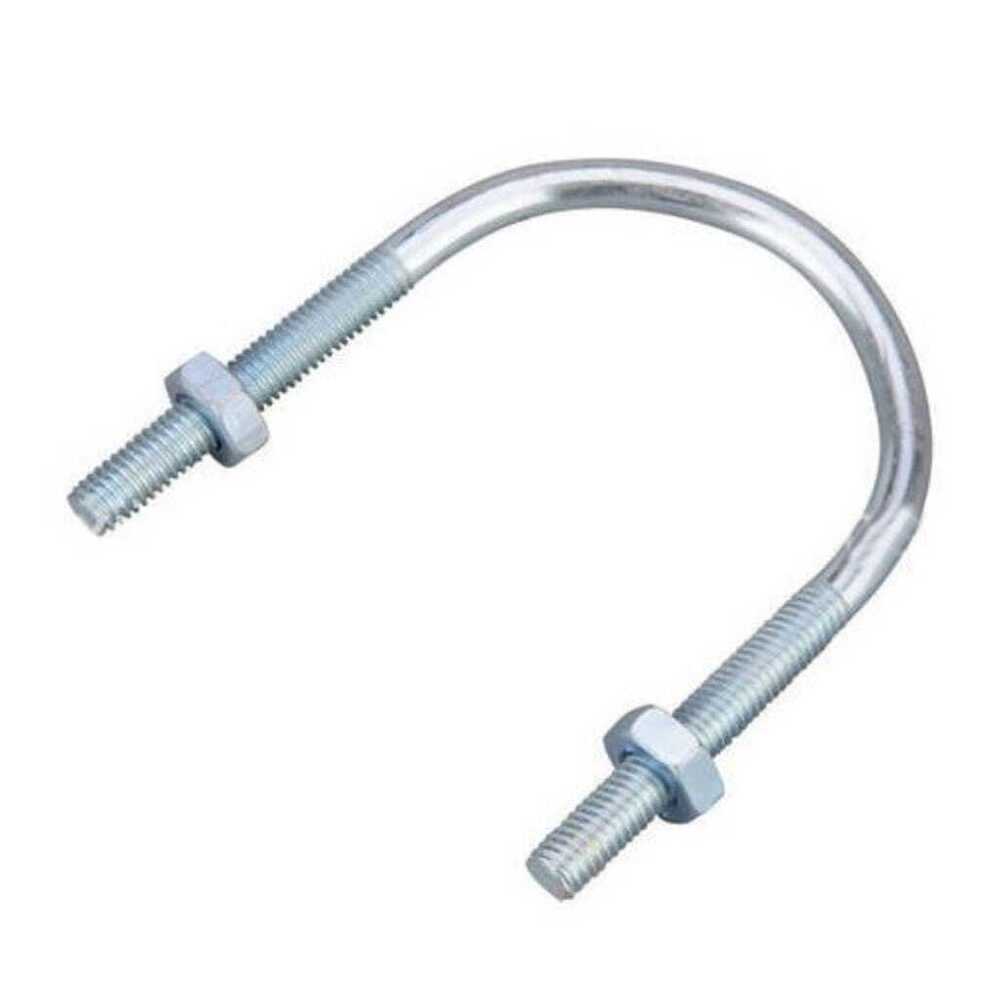
SS U Bolt Clamp
Price 9.0 INR / Piece
Minimum Order Quantity : 100 Pieces
Grade : SS304 / SS316
Application : Pipe Clamping, Automotive, Construction, Marine use
Standard : DIN 3570 / ASTM A193
Thickness : 3 mm 12 mm
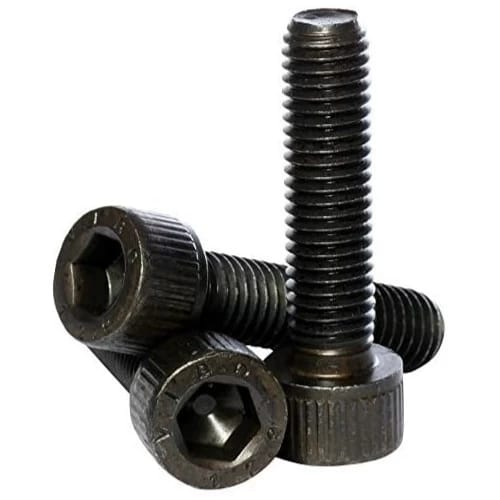
High Tensile (HT) Nut Bolts
Price 8.0 INR / Piece
Minimum Order Quantity : 500 Pieces
Grade : 8.8, 10.9, 12.9
Application : Engineering, Construction, Machinery, Automobiles
Standard : DIN 933, ISO 4017, IS 1363/IS 1364
Thickness : As per DIN/ISO standards or as per requirement Micrometers (um)
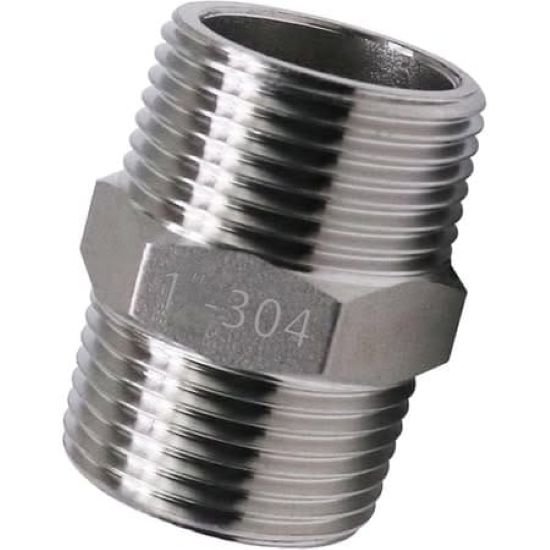
Hex Nipple
Price 45.0 INR / Piece
Minimum Order Quantity : 100 Pieces
Grade : 304
Application : Pipe Fitting, Plumbing, Industrial Use
Standard : ASTM A182
Thickness : As per standard

 Send Inquiry
Our Products
- Industrial Fasteners
- Industrial Flanges
- Building Materials
- Alloy Steel Rod
- Spiral Wound Gaskets
- Stainless Steel Pipes
- Ball Valve
- Steel Wire Mesh
- MS Pipe
- Round Pipe
- Round Bar
- Mild Steel Angle
- Mild Steel Plate
- Hex Nipples
- Spiral Wound Gasket
- Square Pipe
- Hexagon Bar
- Stainless Steel Flanges
- Pin Type Anchor Bolt
- Mild Steel Channel
- Blind Aluminium Rivets
- Flexible Hose
- Pipe Nipples
- Y Strainers
- Butterfly Valve
- Flanged Ball Valve
- Welded Mesh
- Male Threaded Hex Pipe Plug
- Hex Bolt
- Weld Neck Flange
- U Clamp
- U Bolt Clamp
- Gasket Sheet
- Pipe Bend
- Pipe Reducer
- Carbon Steel Buttweld Fitting
- Mild Steel Hex Bolt
- Stainless Steel Square Pipe
- Stainless Steel Round Pipe
- Stainless Steel Round Bar
- Forged Ring
- Threaded Rod
- Female Coupler
- Hex Socket Cap Screw
- Pipe Tee
- Carbon Steel Reducers
- Hex Flange Nut
- Flat Bar


B No B/5, First Floor, Nr. Keval Kanta,Ahmedabad - 380023, Gujarat, India

Mr. Jagdish
(Proprietor)
Mobile :08071725501
 Send Inquiry
 Send SMS
Developed and Managed by Infocom Network Private Limited.
