Call us now :08071725501
 Send Inquiry
 Send Inquiry
Socket Fitting
Price 75.0 INR/ Piece
MOQ : 100 Pieces
Socket Fitting Specification
- Thickness
- As per SCH 40, SCH 80, SCH 160, XXS, or custom
- Feature
- Leak proof connection, High strength, Rust resistant
- Finish
- Smooth, Bright, or Matte
- Standard
- ASME B16.11, BS3799, MSS SP-79, SP-83, SP-97
- Tensile Strength
- 485 MPa (for A105)
- Shape
- Round/Square (as per fitting type)
- Surface Treatment
- Polished, Sand Blasted, Pickled, or as required
- Head Type
- Round/Hexagonal
- Diameter
- Customized (typically 1/8 to 4 NPS available)
- Grade
- ASTM A105, A182 F304, F316, F316L, F321, F11, F22, and others
- Load Capacity
- Application dependent, generally up to working pressure
- Thread Type
- BSP, NPT, BSPT, as required
- Capacity
- Pressure ratings up to 9000 psi (as per specification)
- Hardness
- 143-217 HB (for typical stainless steel)
- Corrosion Resistant
- Yes (If stainless/alloy steel used)
- Torque
- As per application and threading standard
- Fasteners Type
- Socket Weld Fitting
- Material
- Carbon Steel, Stainless Steel, Alloy Steel
- Tolerance
- 0.05 mm
- Application
- Oil & Gas, Chemical Processing, Plumbing, Water Treatment, Petrochemical
- Rust Proof
- Yes (stainless/alloy steel version)
- Max Temperature
- Up to 600C (material dependent)
- Ends
- Plain, Beveled, or Threaded
- Packing
- Export Worthy Wooden Cases / Cartons / Pallet
- Manufacturing Process
- Forged / Machined
- Size Range
- 1/8 inch to 4 inch (DN6 to DN100)
- Connection Type
- Socket Weld / Threaded (female)
- Color
- Silver / Metallic
- Min Temperature
- -20C or lower (depends on material)
- Pressure Rating
- 2000, 3000, 6000, 9000 lbs (class dependent)
Socket Fitting About
Socket Fitting is a precision-engineered pipe fitting designed to securely join two pipes of the same diameter, ensuring a strong, leak-proof connection in piping systems. Manufactured from high-quality Mild Steel (MS), Stainless Steel (SS304/SS316), Carbon Steel, Brass, or PVC, socket fittings provide excellent strength, corrosion resistance, and long-lasting performance. Available in various sizes, pressure ratings, and thread types, they are widely used in plumbing, hydraulic, pneumatic, water supply, oil & gas, chemical processing, HVAC, and industrial piping applications. Their compact design allows for quick installation and reliable operation in both residential and industrial environments.Precision Engineering and Robust Performance
Each socket fitting is meticulously forged and machined, ensuring a high tolerance of 0.05 mm, leak-proof installation, and exceptional mechanical strength-ideal for high-pressure environments. Rigorous quality checks uphold compliance with ASTM, ASME, and MSS standards, providing endurance and reliability for critical operations.
Versatile Material and Connection Choices
Select from carbon, stainless, or alloy steel grades, all offering enhanced rust and corrosion resistance (notably with stainless variants). Available with socket weld or threaded (BSP, NPT, BSPT) ends, these fittings ensure seamless adaptability and connections for a wide variety of processes and system requirements.
Safe and Efficient Handling & Installation
With sizes ranging from 1/8 inch to 4 inch NPS and various end types (plain, beveled, threaded), installation is streamlined for new projects or retrofits. Export-appropriate wooden cases, pallets, or cartons guarantee product safety during transit and storaging, supporting global supply demands efficiently.
FAQ's of Socket Fitting:
Q: How are your socket fittings manufactured for durability and high performance?
A: Our socket fittings are forged and machined from quality carbon steel, stainless steel, or alloy steel, following strict ASTM and ASME standards. The manufacturing process ensures precise tolerances (0.05 mm), high strength, and leak-proof performance, meeting the demands of high-pressure and critical applications.Q: What materials and finishes are available for these socket fittings?
A: We offer socket fittings in carbon steel, various stainless steels (such as ASTM A182 F304, F316, F321), and alloy steels. Surface treatments include polished, sandblasted, pickled, or custom finishes. Rust-proof and corrosion-resistant features are inherent in our stainless/alloy steel variants.Q: When should I select a socket weld versus a threaded fitting connection?
A: Socket weld fittings are ideal for high-pressure or critical leak-proof installations, while threaded (BSP, NPT, BSPT) fittings are preferred for ease of assembly, maintenance, or in systems with moderate pressure where quick installation and removal are needed.Q: Where can these socket fittings be used?
A: They are suitable for a wide range of applications, including oil & gas pipelines, chemical processing plants, water treatment facilities, plumbing, and petrochemical industries. Their versatility extends to round or square shapes as per the fitting type required by each industry.Q: What is the process for ensuring leak-proof and rust-resistant performance?
A: We utilize advanced forging and machining, high-precision threading, and quality-controlled polishing, pickling, or sandblasting. Stainless and alloy steel grades provide enhanced rust and corrosion resistance, ensuring reliable, leak-proof performance even in aggressive environments.Q: How does the pressure rating influence fitting selection?
A: Our fittings are available with class ratings up to 9000 lbs (2000, 3000, 6000, 9000), corresponding to different operating pressures. The choice depends on your application's maximum working pressure and safety requirements, in compliance with ASME B16.11 and related standards.Q: What are the benefits of using your socket fittings in industrial systems?
A: Key benefits include robust leak-proof sealing, high mechanical strength, dependable corrosion resistance (especially in stainless steel), compatibility with diverse threading standards, and adaptability to customized diameter and thickness needs. This assures safe, long-term operation and reduced maintenance in demanding applications.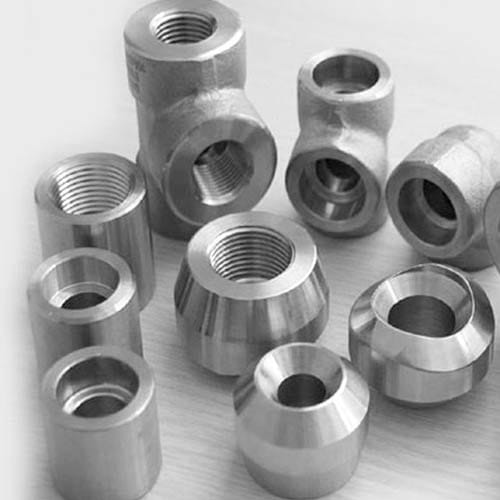
Tell us about your requirement

Price:
Quantity
Select Unit
- 50
- 100
- 200
- 250
- 500
- 1000+
Additional detail
Mobile number
Email

More Products in Industrial Fasteners Category
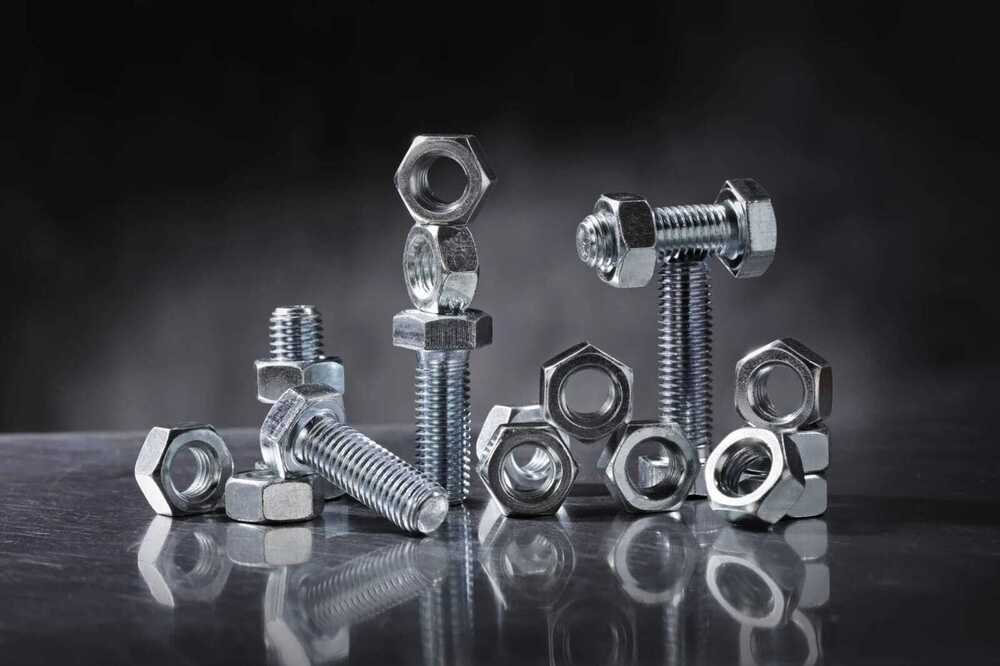
SS Nut Bolt Set
Price 1.25 INR / Piece
Minimum Order Quantity : 100 Pieces
Capacity : Customizable up to requirement
Feature : High Strength, Durable, Rust Proof
Material : Stainless Steel
Load Capacity : Up to 5 Tons
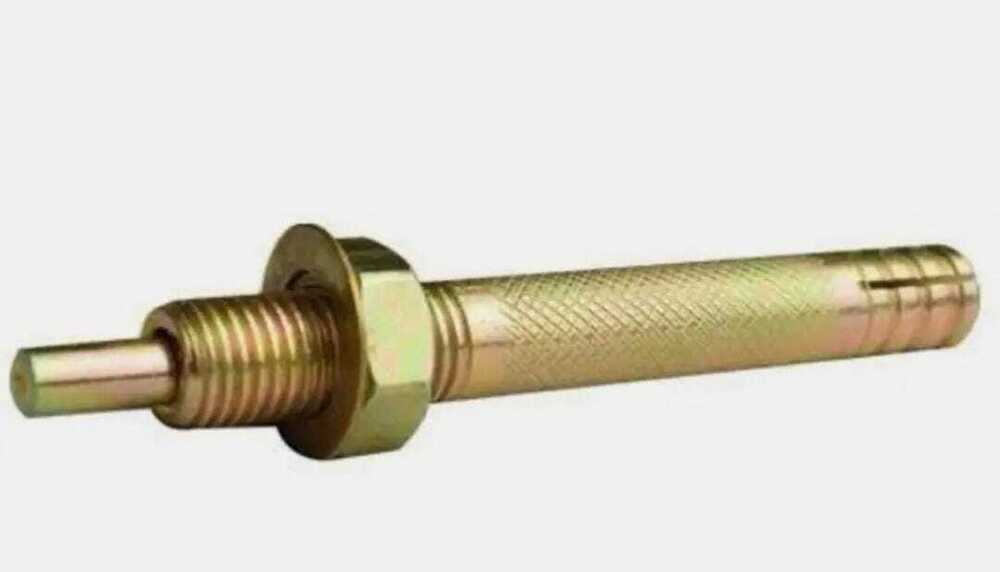
Mild Steel Anchor Fastener
Price 25.0 INR / Piece
Minimum Order Quantity : 100 Pieces
Capacity : Light to heavy duty applications
Feature : High Strength, Easy to Install, Vibration Resistant
Material : Other
Load Capacity : 1001200 kg (Depends on size)
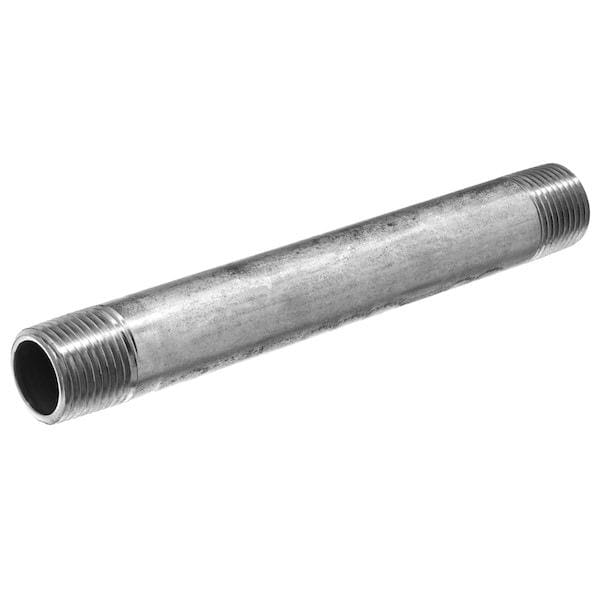
MS Nipple
Price 20.0 INR / Piece
Minimum Order Quantity : 100 Pieces
Capacity : Suitable for medium and high pressure pipelines
Feature : Leak Proof, Durable, High Strength
Material : Other
Load Capacity : Varies as per diameter and thickness
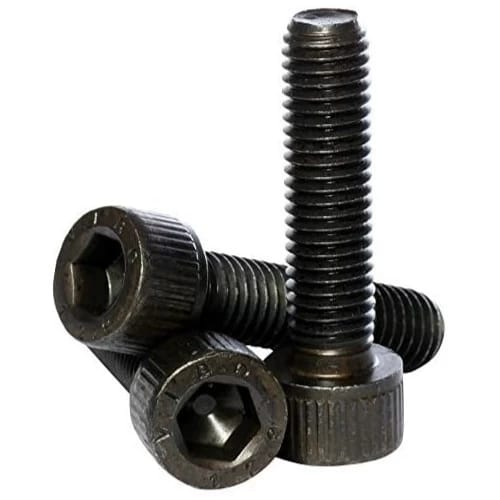
High Tensile (HT) Nut Bolts
Price 8.0 INR / Piece
Minimum Order Quantity : 500 Pieces
Capacity : Up to 150 kN (varies by grade and size) Pcs/hr
Feature : High Strength, Precision Thread
Material : Other
Load Capacity : As per grade and diameter, up to 150 kN Kilograms (kg)

 Send Inquiry
Our Products
- Industrial Fasteners
- Industrial Flanges
- Building Materials
- Alloy Steel Rod
- Spiral Wound Gaskets
- Stainless Steel Pipes
- Ball Valve
- Steel Wire Mesh
- MS Pipe
- Round Pipe
- Round Bar
- Mild Steel Angle
- Mild Steel Plate
- Hex Nipples
- Spiral Wound Gasket
- Square Pipe
- Hexagon Bar
- Stainless Steel Flanges
- Pin Type Anchor Bolt
- Mild Steel Channel
- Blind Aluminium Rivets
- Flexible Hose
- Pipe Nipples
- Y Strainers
- Butterfly Valve
- Flanged Ball Valve
- Welded Mesh
- Male Threaded Hex Pipe Plug
- Hex Bolt
- Weld Neck Flange
- U Clamp
- U Bolt Clamp
- Gasket Sheet
- Pipe Bend
- Pipe Reducer
- Carbon Steel Buttweld Fitting
- Mild Steel Hex Bolt
- Stainless Steel Square Pipe
- Stainless Steel Round Pipe
- Stainless Steel Round Bar
- Forged Ring
- Threaded Rod
- Female Coupler
- Hex Socket Cap Screw
- Pipe Tee
- Carbon Steel Reducers
- Hex Flange Nut
- Flat Bar


B No B/5, First Floor, Nr. Keval Kanta,Ahmedabad - 380023, Gujarat, India

Mr. Jagdish
(Proprietor)
Mobile :08071725501
 Send Inquiry
 Send SMS
Developed and Managed by Infocom Network Private Limited.
