
Call us now :08071725501
 Send Inquiry
 Send Inquiry
SS Elbow
Price 85.0 INR/ Kilograms
MOQ : 100 Kilograms
SS Elbow Specification
- Standard
- ASTM A403, ASME B16.9, MSS-SP-43, DIN, EN
- Finish
- Smooth, Export-Grade; Satin or Mirror as per requirement
- Thread Type
- Buttwelded (No threads)
- Tensile Strength
- 515 MPa (min) for SS 304
- Load Capacity
- As per construction code & application
- Shape
- Elbow, 90 or 45 or custom angles
- Hardness
- 148-210 HB (typical for SS 304, varies by grade)
- Corrosion Resistant
- Yes
- Thickness
- SCH 10/SCH 40/SCH 80 or Custom
- Feature
- Leak Proof, High Strength, Easy Installation
- Diameter
- 2 inch to 48 inch (customizable)
- Head Type
- Elbow
- Surface Treatment
- Pickled, Passivated
- Grade
- 304/304L, 316/316L, 321, 310, Duplex, Super Duplex
- Capacity
- Up to 10,000 pieces/month
- Material
- Stainless Steel (SS)
- Tolerance
- 0.5 mm
- Application
- Petrochemical, Oil & Gas, Chemical, Power Plants, Food Processing
- Bend Radius
- 1.5D (standard), 1D or custom
- Color Coding
- Blue end caps (for protection)
- Temperature Range
- Up to 870C (depending on grade)
- Packaging
- Plastic Wrapping, End Caps, Wooden Box/Pallet
- Manufacturing Process
- Cold/Hot Formed, Seamless or Welded
- End Connection
- Beveled Ends (BE) as per ASME B16.25
- Working Pressure
- As per schedule and grade
- Wall Thickness
- As per schedule/standard or custom
- Inspection
- Hydro Test, PMI Test, Visual and Dimensional Inspection
SS Elbow About
SS Elbow (Stainless Steel Elbow):
- A stainless steel elbow is a pipe fitting that connects two pipes and changes the direction of the pipeline, commonly by 45, 90, or 180.
- It is widely used in industries such as oil and gas, chemical processing, food and beverage, pharmaceuticals, water treatment, and construction because of its strength and corrosion resistance.
Common types:
- 90 elbow Changes the flow direction by 90 degrees.
- 45 elbow Changes the flow direction by 45 degrees.
- 180 elbow (return bend) Reverses the flow direction.
Advantages:
- Excellent corrosion and rust resistance.
- High strength and durability.
- Suitable for high-temperature and high-pressure applications.
- Hygienic and easy to clean.
- Long service life with low maintenance.
Versatile End Connections and Customization
Our SS Elbows are designed with beveled ends (BE) as per ASME B16.25, ensuring secure and leak-proof buttweld connections for seamless integration into any piping system. Available in standard 1.5D or 1D bend radii, or fully customized to meet unique project needs, they offer adaptability across a wide range of applications and industries.
Engineered for Durability and Performance
Manufactured from top-quality stainless steel (grades 304/304L, 316/316L, and more), our elbows withstand high temperatures (up to 870C, grade-dependent) and severe working conditions. Their hydro and PMI tested, corrosion-resistant construction, and smooth, export-grade finish make them ideal for the most demanding environments.
Stringent Inspection and Reliable Packaging
Each elbow undergoes hydrostatic, PMI, visual, and dimensional inspections, ensuring the highest quality. Packaged with blue end caps, plastic wrapping, and protected in wooden boxes or pallets, every product arrives ready for installation and meets stringent export requirements.
FAQ's of SS Elbow:
Q: How are SS Elbows with different bend radii manufactured?
A: SS Elbows are produced using cold or hot forming processes. The bend radius, whether 1D, 1.5D, or a custom value, is achieved with specialized equipment to meet precise specifications. Material options include seamless or welded construction to ensure optimal performance based on application needs.Q: What are the key benefits of using stainless steel elbows in industrial piping systems?
A: Stainless steel elbows are corrosion resistant, leak proof, and maintain high strength and durability even at elevated temperatures up to 870C. Their smooth finish, precise tolerances, and easy installation help reduce downtime and maintenance, making them suitable for harsh industrial environments.Q: When should I choose a custom wall thickness or bend angle for my project?
A: Custom wall thickness or bend angle should be selected when your application demands specifications outside standard schedules or angles (such as high pressure, unique pipe routing, or compatibility with existing systems). This ensures the elbow meets both mechanical and operational requirements.Q: Where are SS Elbows typically used?
A: SS Elbows are primarily used in petrochemical, oil and gas, chemical processing, food processing, and power plant industries. Their corrosion resistance and durability make them ideal for transporting fluids or gases in challenging conditions.Q: How is the inspection process carried out for these elbows?
A: The inspection process includes hydrostatic testing, Positive Material Identification (PMI), as well as visual and dimensional checks. These steps ensure each elbow meets industry standards and project specifications before being released for shipment.Q: What packaging measures are implemented for export-grade SS Elbows?
A: For export, SS Elbows are packaged with plastic wrapping, blue end caps for end protection, and placed in robust wooden boxes or pallets. Color coding is used for identification and further protection during transit, ensuring the product arrives in optimal condition.Q: What working pressure and temperature can SS Elbows handle?
A: Working pressure depends on the grade and wall thickness as per schedule, while the temperature range can reach up to 870C. Consult material and design codes to confirm compatibility with your specific application's requirements.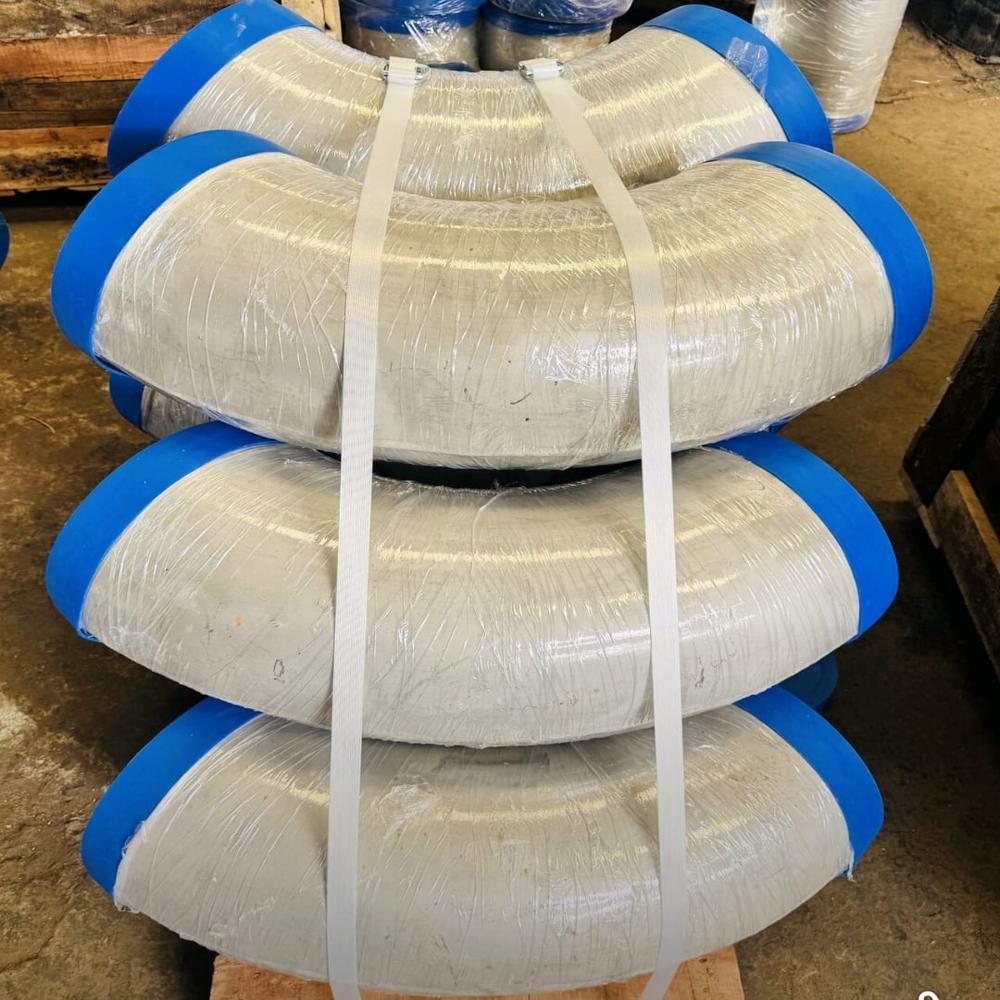
Tell us about your requirement

Price:
Quantity
Select Unit
- 50
- 100
- 200
- 250
- 500
- 1000+
Additional detail
Mobile number
Email

More Products in Industrial Fasteners Category
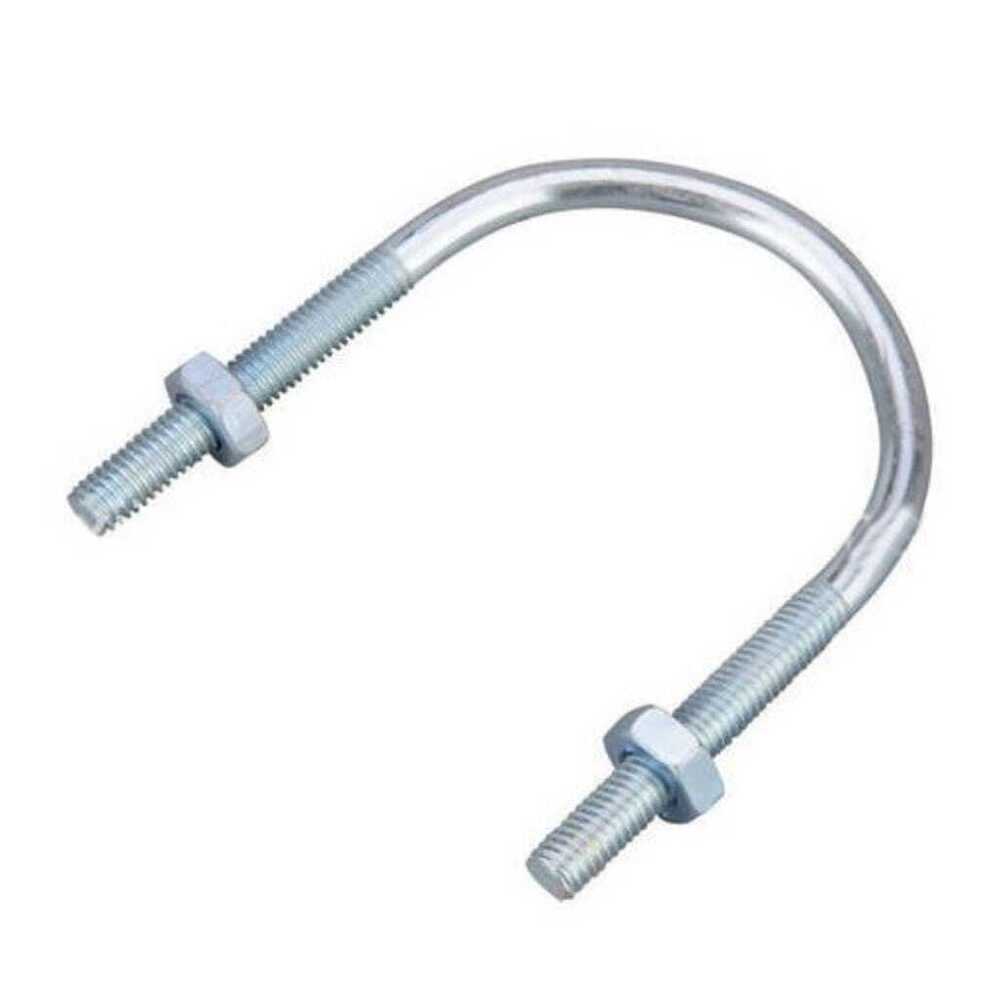
SS U Bolt Clamp
Price 9.0 INR / Piece
Minimum Order Quantity : 100 Pieces
Application : Pipe Clamping, Automotive, Construction, Marine use
Capacity : Up to 2 Tons (varies with size)
Grade : SS304 / SS316
Surface Treatment : Other
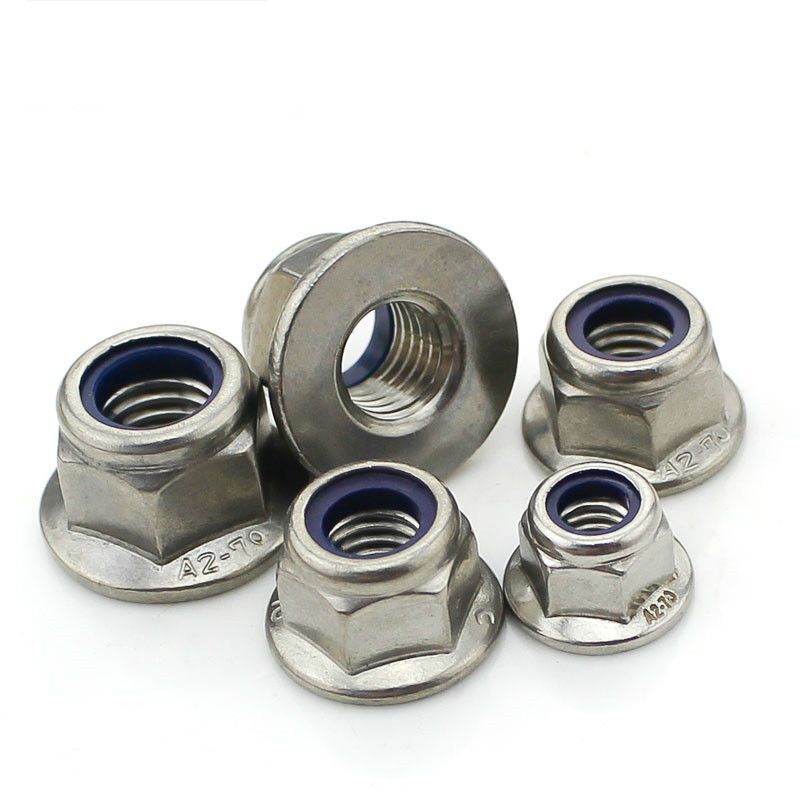
SS Dome Nut
Price 1.1 INR / Piece
Minimum Order Quantity : 100 Pieces
Application : Industrial, Construction, Automotive, Mechanical assemblies
Capacity : For fastening requirements up to 320 Nm
Grade : A2, A4 (as per requirements)
Surface Treatment : Other
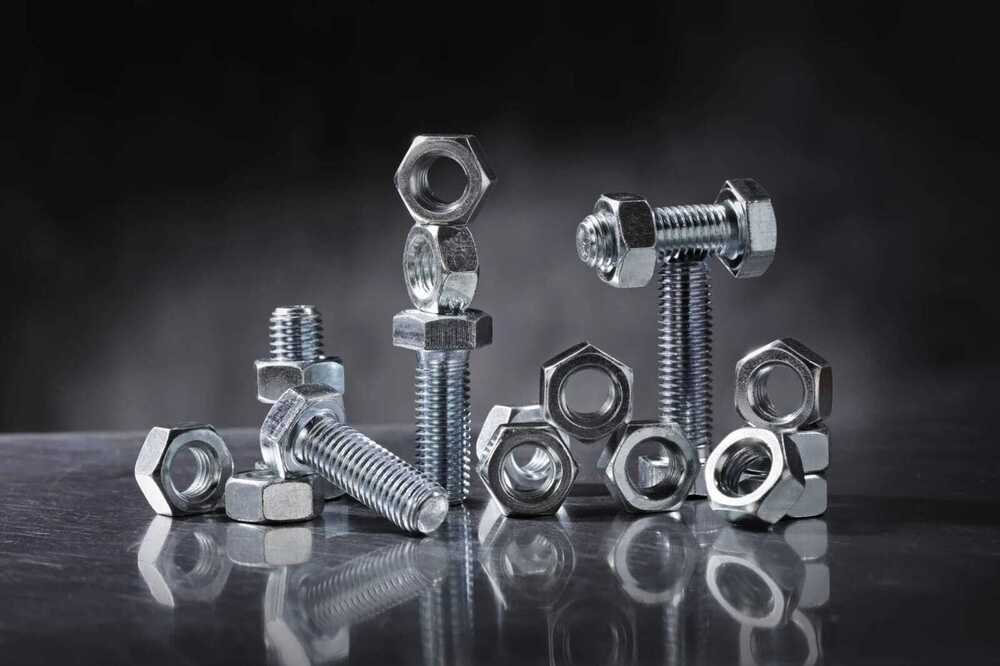
SS Nut Bolt Set
Price 1.25 INR / Piece
Minimum Order Quantity : 100 Pieces
Application : Automobile, Construction, Machinery, Industrial
Capacity : Customizable up to requirement
Grade : A2 / A4 (304 / 316 SS)
Surface Treatment : Other
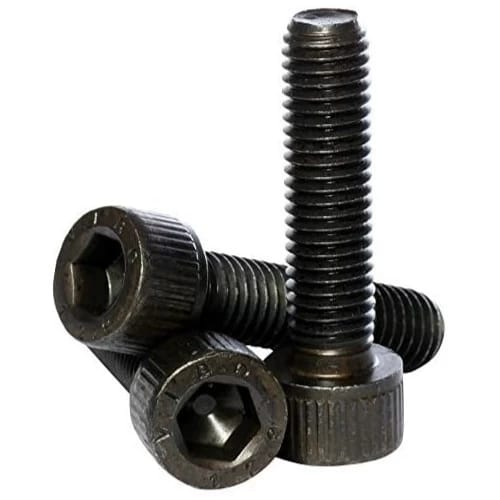
High Tensile (HT) Nut Bolts
Price 8.0 INR / Piece
Minimum Order Quantity : 500 Pieces
Application : Engineering, Construction, Machinery, Automobiles
Capacity : Up to 150 kN (varies by grade and size) Pcs/hr
Grade : 8.8, 10.9, 12.9
Surface Treatment : Other

 Send Inquiry
Our Products
- Industrial Fasteners
- Industrial Flanges
- Building Materials
- Alloy Steel Rod
- Spiral Wound Gaskets
- Stainless Steel Pipes
- Ball Valve
- Steel Wire Mesh
- MS Pipe
- Round Pipe
- Round Bar
- Mild Steel Angle
- Mild Steel Plate
- Hex Nipples
- Spiral Wound Gasket
- Square Pipe
- Hexagon Bar
- Stainless Steel Flanges
- Pin Type Anchor Bolt
- Mild Steel Channel
- Blind Aluminium Rivets
- Flexible Hose
- Pipe Nipples
- Y Strainers
- Butterfly Valve
- Flanged Ball Valve
- Welded Mesh
- Male Threaded Hex Pipe Plug
- Hex Bolt
- Weld Neck Flange
- U Clamp
- U Bolt Clamp
- Gasket Sheet
- Pipe Bend
- Pipe Reducer
- Carbon Steel Buttweld Fitting
- Mild Steel Hex Bolt
- Stainless Steel Square Pipe
- Stainless Steel Round Pipe
- Stainless Steel Round Bar
- Forged Ring
- Threaded Rod
- Female Coupler
- Hex Socket Cap Screw
- Pipe Tee
- Carbon Steel Reducers
- Hex Flange Nut
- Flat Bar


B No B/5, First Floor, Nr. Keval Kanta,Ahmedabad - 380023, Gujarat, India

Mr. Jagdish
(Proprietor)
Mobile :08071725501
 Send Inquiry
 Send SMS
 Call Me Free
Developed and Managed by Infocom Network Private Limited.
